Physical Address
The Woodlands, TX, USA
Physical Address
The Woodlands, TX, USA
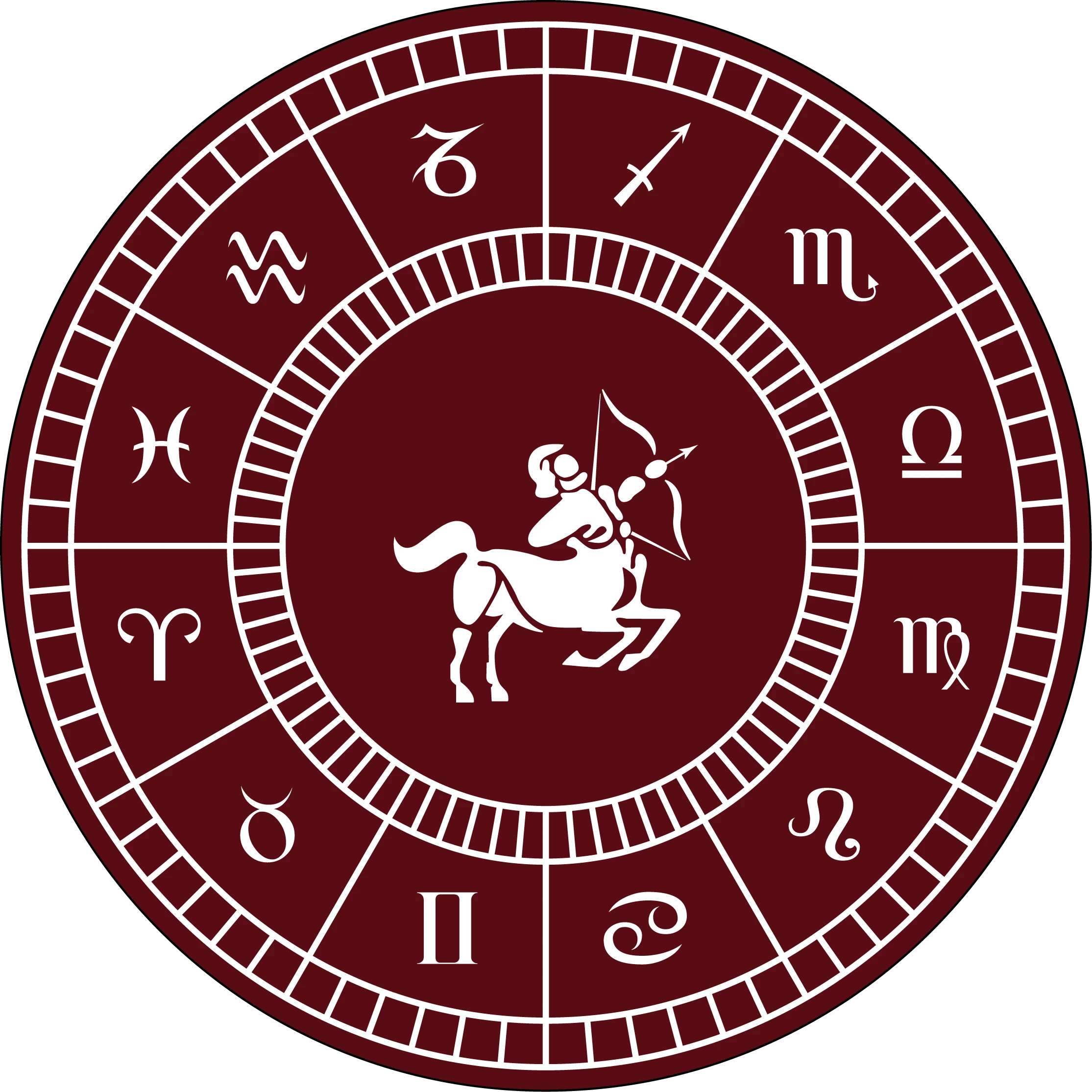
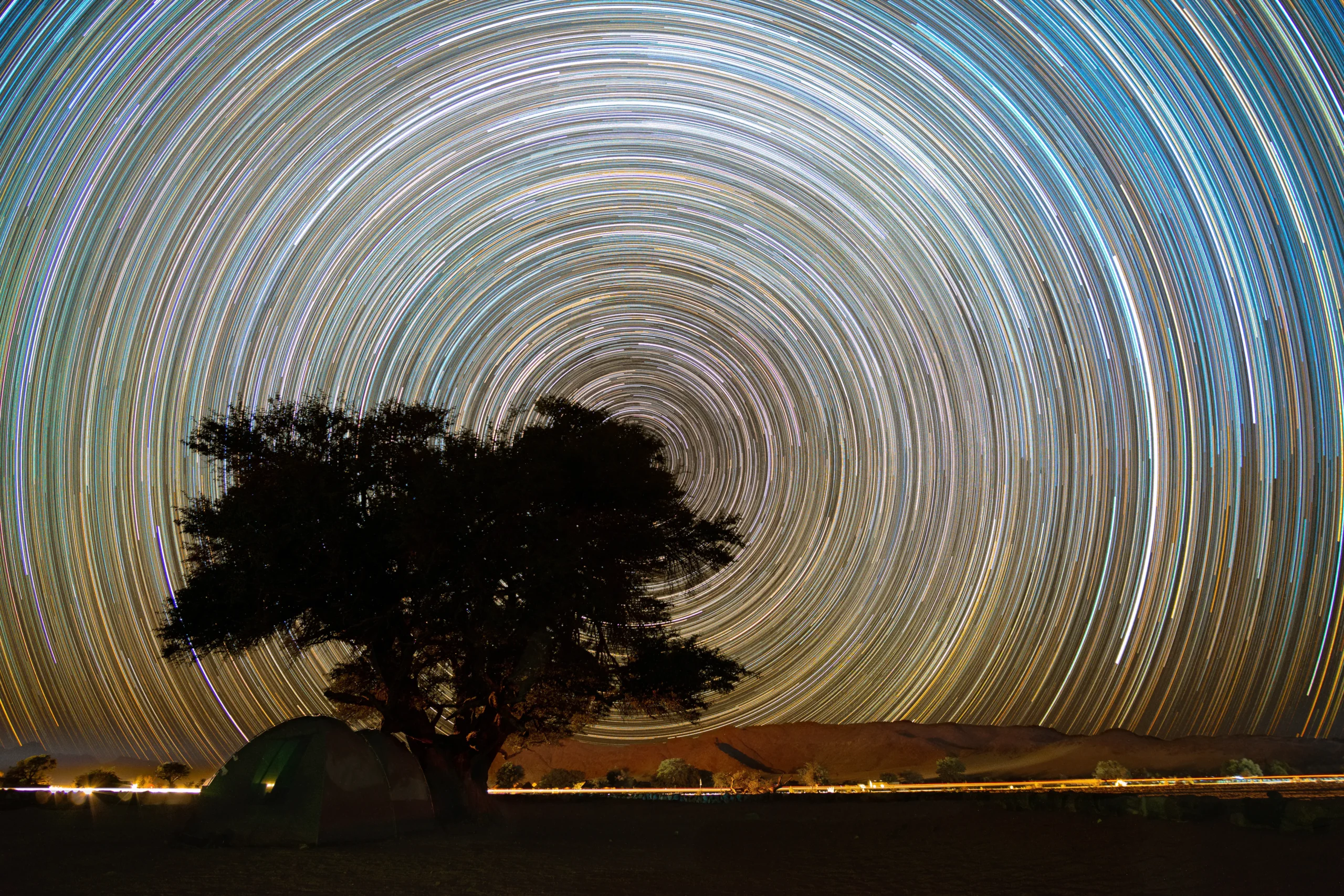
Welcome to the official research platform for traditional topocentric astronomy. Herein we delve into the epistemological, philosophical, and physical foundations of the celestial sphere, a discipline whose association with astrology holds much deeper roots than what the contemporary horoscope columns, a consumer good of the Western world, suggest.
Our Distinction and Focus
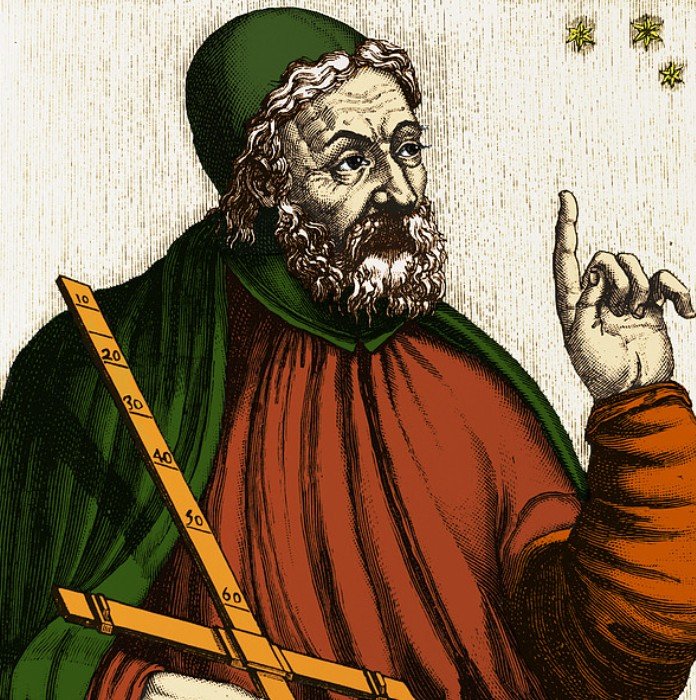
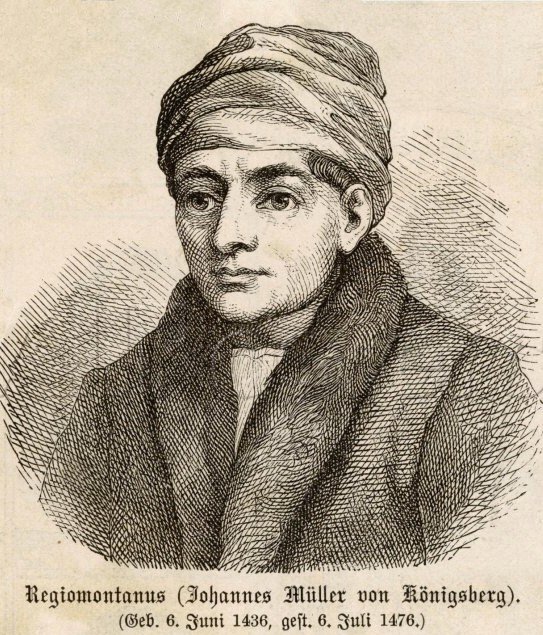
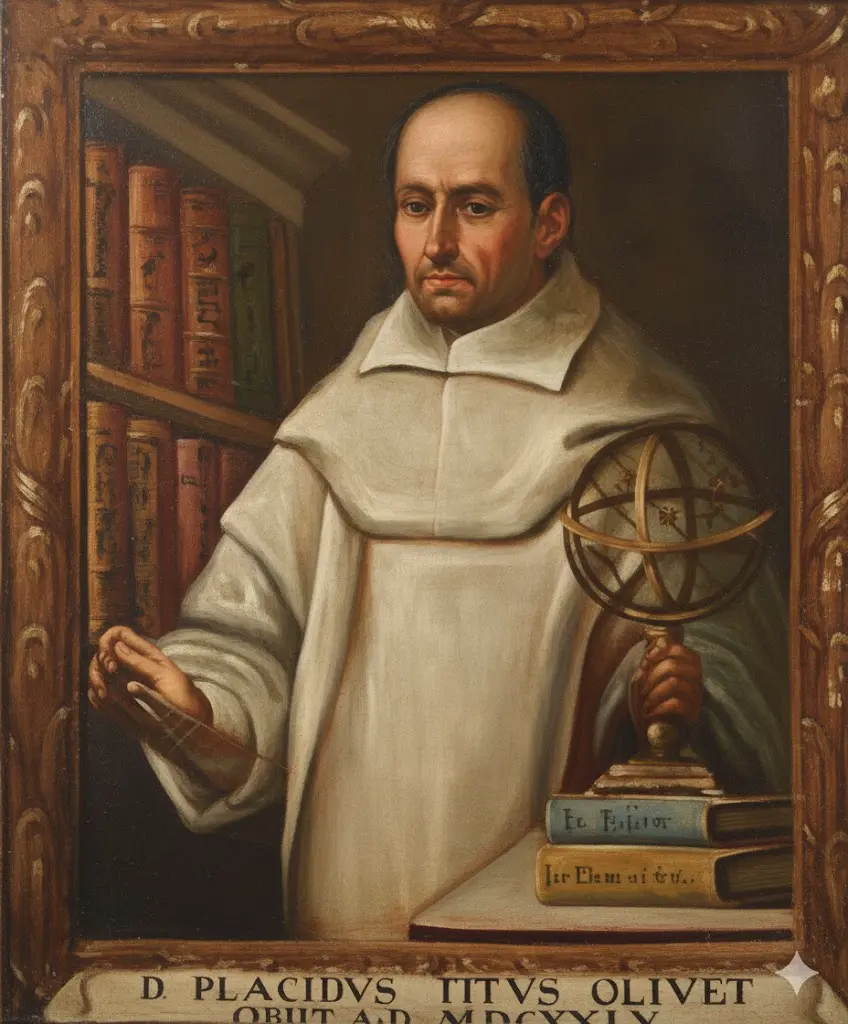
The field of traditional astrology encompasses all the astronomical and astrological practice that took place from Ptolemy in the 2nd century to Morin de Villefranche in the 17th century, which requires an explicit distinction from the contemporary and popular distortion that occurred during the two industrial revolutions of the 19th and 20th centuries onwards. Our work is dedicated to exploring the astronomical tools and topocentric computational calculations necessary for the accurate construction of the celestial map (hōroskopos, or “hour-marker”), echoing the intellectual rigour that was previously applied through the fair and well-intentioned efforts of figures such as Ptolemy, Abraham ibn Ezra, Campano of Novara, Regiomontanus, Johannes Kepler, Tycho Brahe, Placidus de Titis, and others.
Methodology and Respect for Physics
We are fully aware of how ambitious it is to attempt to interpret the celestial realm in order to infer terrestrial implications. However, our methodology is strictly governed by respect for the physical basis of the symbol (e.g., the sun represents life, not death; Uranus, whose axial tilt is 98º, represents anomalies, not conventions; and Venus, where climate is uniform and presents no axial tilt, represents balance and warmth, not chaos and coldness). The symbolic language employed is not imposed arbitrarily. It constitutes the allegorical expression of both astronomy and physics, as it is based upon observable and measurable astronomical realities (e.g. geometry, movements and physical relationships of celestial bodies) that have historically served as the basis for inference. («As above, so below.»)

Foundational Research
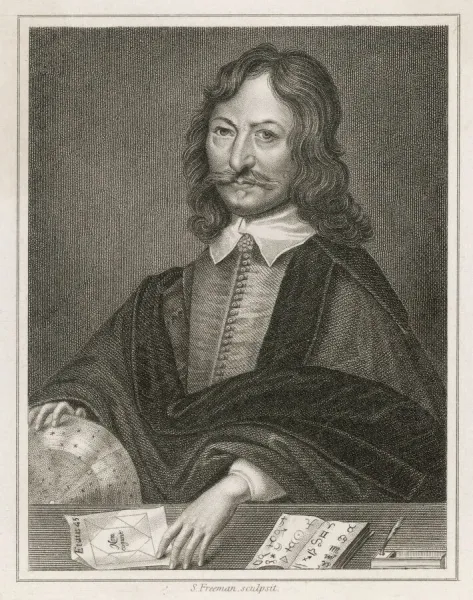
Our research and analysis is largely based upon the works of foundational astrological astronomers such as Porphyry, Alcabitio, Abraham Ibn Ezra, Campanus, Regiomontanus, Morin de Villefranche, Placidus de Titis, and William Lilly. It is a commitment to the authentic historical and astronomical practice of the discipline. Also, of some of the most prestigious and serious English and Spanish authors of the 20th century.
Methodological Discovery
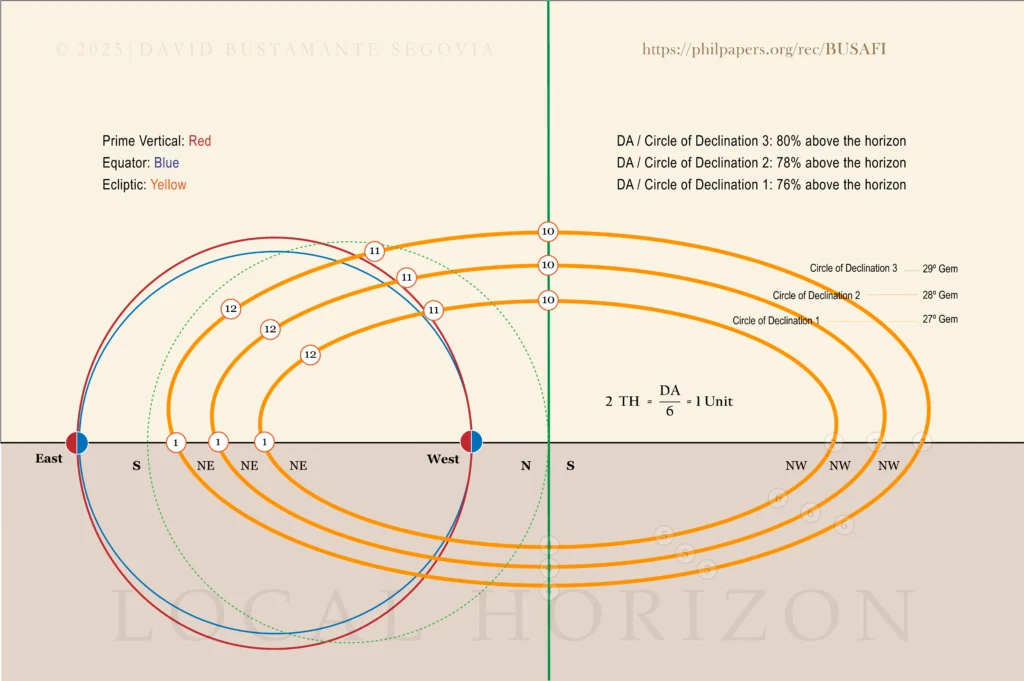
We have recently prompted a major methodological review in some sectors of the community with the publication of our discovery, “Astronomical Fidelity in Historical Coordinate Systems of Celestial Partitioning: Quantitative Comparison of Linear vs. non-Linear Measurements” (2025-11-11). The novelty of this work (made available at PhilArchive to invite scrutiny), however, rests not upon its conclusion—scientific confirmation that the Ptolemaic/Placidian method of celestial partition constitutes the sole natural and complete system—but upon the mechanism of action responsible for the flaw in all linear methods of celestial partition, ranging from Alcabitius (tenth century) to Koch (twentieth century). By exhaustively quantifying the temporal discrepancies (Δt) across all methods compared to the actual length of all diurnal arcs (confirmed by modern technology), we demonstrate that these methods fail to accurately reflect the amount of time required for each point of the ecliptic (cuspal degree) to fulfill its corresponding stage of ascension (duration or size of a house), thereby imposing an arbitrary structure onto a non-arbitrary natural phenomenon, which has already compelled a review of foundational astrological practice (Kampherbeek, J., 2025-11-11; Experimental Astrology, 2025-11-28).